
Within the UK industrial sector, low temperature heat below 200°C accounts for more than 35% of energy use (ECUK, 2024). This temperature range is served by hot water and steam services lines. There is a major opportunity for electrification of heat use, which is where high temperature heat pumps can come into play.
In a recent IEA commentary, high temperature heat pumps were acknowledged as competitive technology for electrifying most low-temperature industrial heat. Based on 2025 prices, high temperature heat pumps were projected to have lower lifetime costs than gas boilers in 17 countries, which collectively represent 40% of low-temperature thermal energy demand in the EU.
Heat pumps can draw heat from the ambient environment or recover it from industrial processes. When recovering waste heat, they raise its temperature so it can be reused as useful hot water or steam. These systems are considered high-temperature heat pumps because they deliver heat at temperatures significantly above those of the original heat source.
High temperature heat pumps work best with a steady demand with high load factors (minimal stopping and starting). A heating system incorporating a high temperature heat pump therefore needs to balance the power rating of the heat pump with the power rating of available heat, and the power rating of the heat use. The temperature brackets of the COP envelope also need careful management with minimal temperature swing; this is the key to maintaining a high COP and therefore lower electricity costs.
PCM thermal storage can solve problems in managing high temperature heat pump systems through:
- Supply balancing: decoupling heat sources, heat pump operation and heat uses by bridging power ratings
- Providing narrow 5-10°C temperature buffering to the cold side and the hot side of the high temperature heat pump – minimising temperature swing for stable heat pump envelope operation.
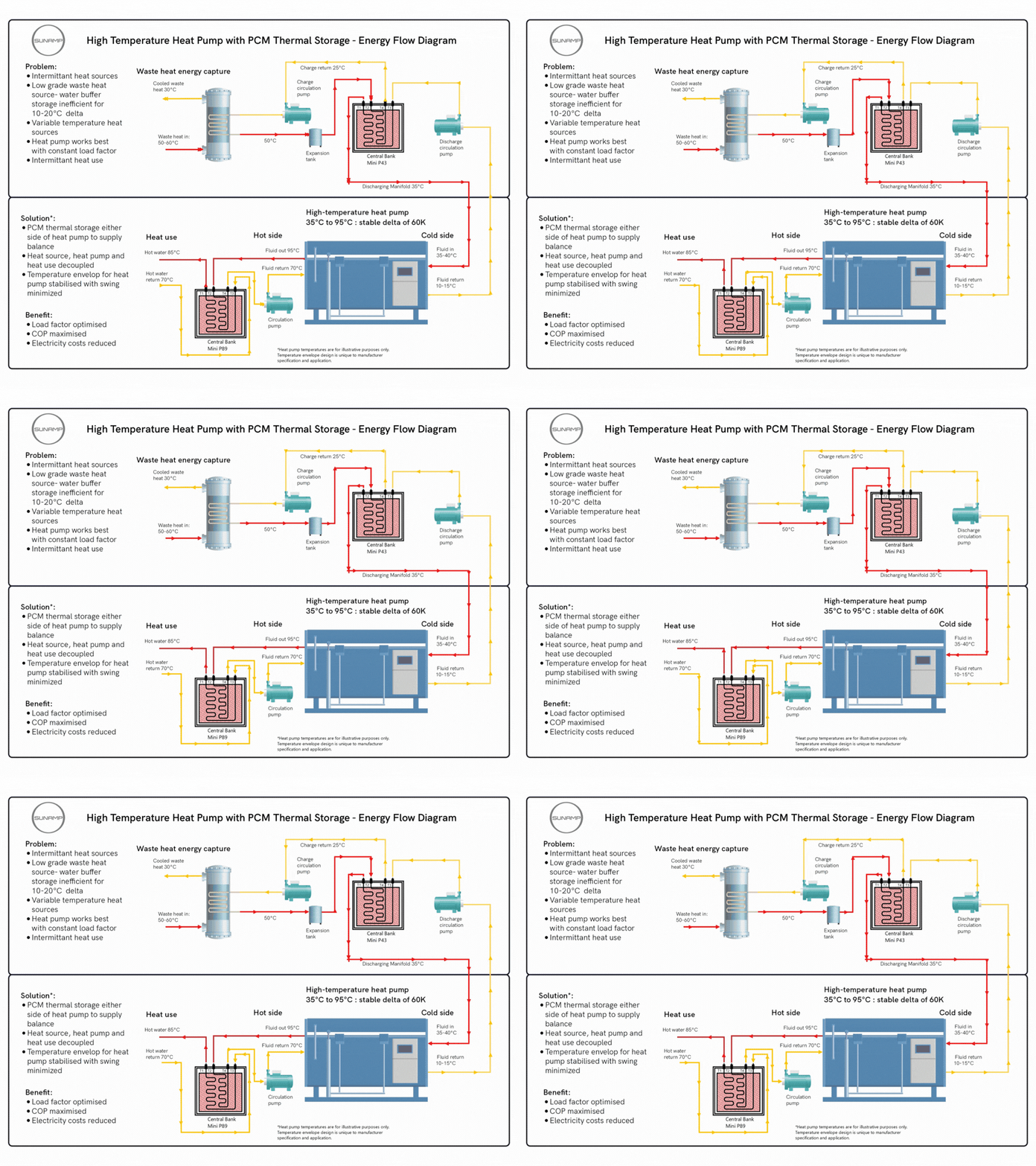
The system diagram above illustrates this in a 35/95 high-temperature heat pump application:
- 50-60°C waste heat is captured via a heat exchanger to charge the Central Bank Mini P43 thermal batteries
- When required by the high temperature heat pump, the stored heat provides a stable 35-40°C source for the high-temperature heat pump cold side
- The high-temperature heat pump operates at a 60°C delta, upgrading the heat to 95°C
- This 95°C heat is used to charge a P89 Central Bank Mini
- This P89 Central Bank Mini then distributes heat at 85°C to a hot water circuit
This provides stability and optimal load factors for the high temperature heat pump operation, enabling high COPs and reliability, thanks to the energy-dense Plentigrade® phase change materials in our Central Bank Mini thermal batteries.
Click here to speak to our industrial team to explore how Central Bank Mini could support heat pump integration into your projects.